Dr. Deepak Rao
In Conversation with Dr. Deepak Rao
Lifestyle Diseases — The Hidden Cost of Modern Living
In today’s fast-paced world, the comforts of modern living often come with invisible costs. Erratic work hours, poor diet, lack of exercise, and chronic stress have quietly paved the way for lifestyle diseases such as diabetes, hypertension, obesity, and heart ailments. These conditions are no longer rare or age-bound; they are everyday realities for millions. To manage them effectively, one must not only understand how these diseases develop but also learn to navigate the complex healthcare journey—from routine OPD visits to advanced hospital and ICU care if needed. The real challenge lies in making informed choices at every step: adopting preventive habits, seeking timely medical advice, and carefully weighing treatment and management options to maintain both health and quality of life. For this purpose we are in conversation with Lifestyle physician Dr Deepak Rao
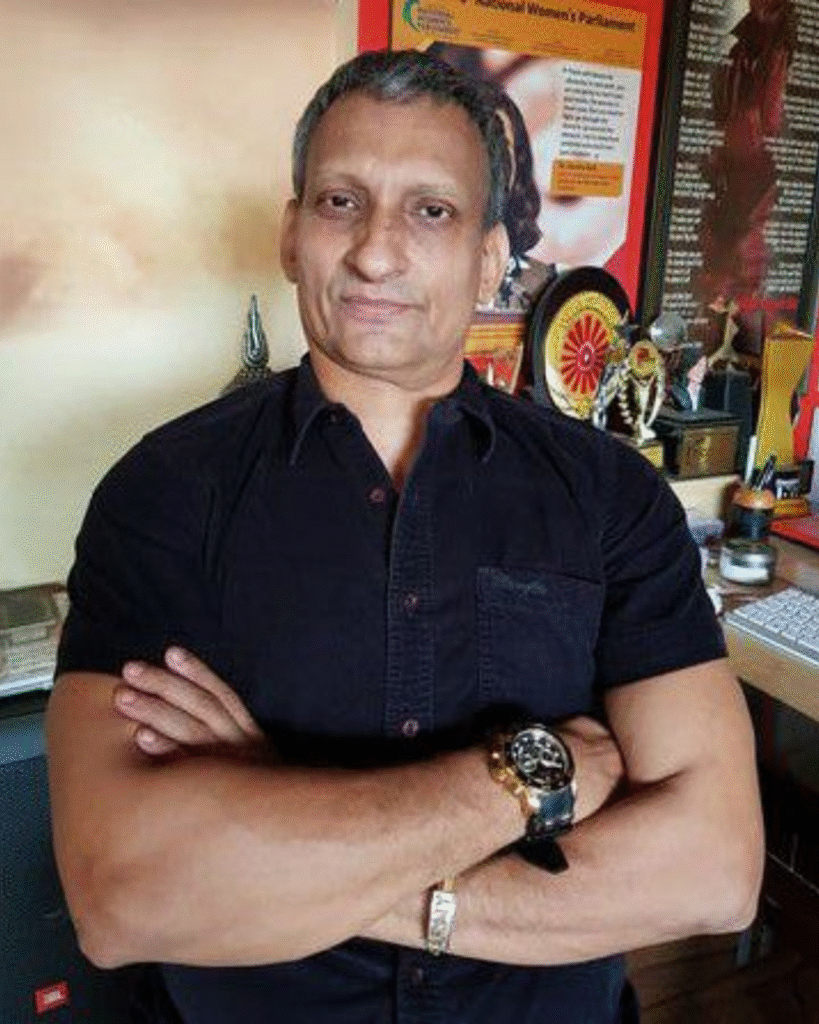
Interview of Dr Deepak Rao, General Physician specializing in Lifestyle Medicine by Dr. Prakash Mugali, Founder – Enerzi
Dr Deepak Rao, What is your perspective on healing?
I quote my poem here,
BELIEVE
If it’s not your time to go,
Your illness will pass and you shall heal.
What’s broken can be mended,
What hurts can be healed.
Give yourself time and the grace.
And no matter how dark it gets,
The sun is going to rise again.
Dr. Deepak Rao, What is your take on patient doctor relationship?
The patient can be viewed as an acronym – with Patience And Tolerance I ENdure my Troubles.
The Doctor may stand for:
- Devoted
- Optimistic
- Caring
- Trustworthy
- Objective and logical
- Rejuvenate
Dr. Deepak Rao, What are commonest causes of disease in the developed world?
Obesity, Sedentary life, Junk food, Stress, Cellphone radiation, Irregular Sleep, Lack of sunshine are greatest contributors. Almost all the prevalent diseases of the era can be improved by correcting these.
Dr. Deepak Rao, Can we talk about backache, specially due to slipped disks?
A slip disk is just ageing of the spine. There is jelly inside each disk that has a shock absorbing property. The jelly gradually degenerates with time, and the outer capsule weakens. The nucleus pulposus leaks out through annulus fibrosus into spinal canal to impinge nerves causing radiculopathy. Initially this causes severe pain in back with pain radiating to legs. This pain is excruciating, prevents any activity and patient may land up in hospital. However it gradually subsides with rest and pain killers in 2 weeks. If pain continues or if bladder/bowel paralysis occurs, surgery may be needed. 99% do not need surgery. Subsequent attacks may occur but are less severe. Patients may live normal lives by strengthening back muscles, avoiding bad posture, exercise, regular activity, intermittent fasting, avoiding obesity.
Dr. Deepak Rao, can you guide us on rehabilitation of spine, shoulder, neck, knee or other joint issues?
Yes, but it will be very general guidance and not specific, as patient and doctor must personalize the rehabilitation process. General principles of rehab process (Mnemonic: SCARI LAWS):
First up to 2 weeks of inflamed joint:
- Support (walking stick, etc)
- Compression with Splint/corset
- Anti inflammatory – pain killers
- Rest
- Intermission fasting 15 hrs for a week
Thereafter for up to 6 weeks:
- Loosening joint through full range of movement
- Activity – regular routine & walking
- Weighted exercises
- Stretching to break bands of scar tissue
Note – please consult your doctor and do not self apply
Dr. Deepak Rao, so many people are developing coronary blockades? What is your advice?
Coronary arteries supply blood to the heart. They also age with time. But faulty lifestyle accelerates this. Blockages are symptomless in many people. If they are multiple, severe or in proximal location of artery, they may block blood supply to heart leading to angina and heart attack. Sudden death may also occur. Even people with normal coronaries may have spasm, thrombosis, arrhythmia, stress induced dysfunction etc which can cause sudden death. These people may be wrongly labelled as having died of “sudden heart attack”. Regular walk, correct weight, sugar and cholesterol control, reduced stress, good sleep and vegetarian diet help prevent progression. Those with angina require angiography to plan angioplasty/stenting or bypass surgery.
Dr. Deepak Rao, What do you advice for high Blood pressure?
My advice is to first try lifestyle corrections before drug therapy: reduce salt intake, exercise daily, control weight, sleep well, meditate, and avoid smoking/alcohol. If despite these, blood pressure remains high, then medications must be taken regularly. Ignoring hypertension leads to silent damage of kidneys, eyes, heart and brain, resulting in stroke, blindness, kidney failure or heart failure.
Dr. Deepak Rao, Whats your prescription mantra for diabetes?
Again reduce refined carb intake, avoid sugar, avoid polished rice and maida, avoid excess starch, eat high fibre foods, eat more vegetables and salads, eat less fruits. Intermittent fasting and regular walking are highly beneficial. If blood sugar remains uncontrolled, then drugs or insulin are required. Uncontrolled diabetes damages nerves, kidneys, eyes, heart and lowers immunity.
Dr. Deepak Rao, what’s your advice for acidity and ulcers?
Chew well. Eat slowly. Do not watch TV or work on your cell while eating. Do not eat late at night. Reduce tea, coffee, spicy and oily foods. Sleep well. Stress is a major cause. H. pylori infection should be tested and treated. Antacids or proton pump inhibitors can be used temporarily but long-term use must be avoided. Chronic acidity can lead to ulcers, bleeding, perforation, or even stomach cancer.
Dr. Deepak Rao, what to do about high cholesterol?
Cholesterol is not merely a “bad fat”. It is vital for cell membranes, hormones and vitamin D. High LDL is dangerous, HDL is protective. Reduce refined carbs, sugar, fried food, ghee, butter. Eat nuts, seeds, olive oil, fish, vegetables, fruits. Exercise daily. Weight reduction is essential. Sometimes medication is needed. Uncontrolled high cholesterol accelerates atherosclerosis leading to strokes and heart attacks.
Dr. Deepak Rao, how to deal with migraine?
First know that every headache is not migraine. Migraine typically has aura, one sided headache, nausea, vomiting, intolerance to light/sound. Triggers include stress, lack of sleep, certain foods, fasting. Correct lifestyle prevents attacks. During an attack rest in dark room, take prescribed painkillers or triptans. Frequent attacks may need preventive drugs. Avoid overusing painkillers, as this may cause rebound headaches.
Dr. Deepak Rao, how to deal with children infections?
Most infections in children like diarrhoea, cold, cough, sore throat and fever are viral, self-limiting and do not need antibiotics. Give fluids, rest, paracetamol for fever. If child is very sick, not drinking, convulsing, breathless, or has persistent vomiting, then hospitalize. Overuse of antibiotics causes resistance, so avoid unless doctor prescribes.
Dr. Deepak Rao, please educate us on long covid?
Covid manifests in different ways in different people. Some have fatigue, breathlessness, brain fog, depression, anxiety, muscle pain or palpitations for months after infection. Vaccination reduces severity. Supportive care, graded exercise, good nutrition, meditation, counselling and patience are needed. Most recover slowly with time.
Dr. Deepak Rao, lets talk about the killer disease Cancer. Can we have a slightly detailed discussion on this?
What is Cancer?
Cancer is a genetically programmed event. Cells have a predetermined life span. Cancer arises when genetic mutations allow uncontrolled cell division. Ageing, faulty lifestyle, tobacco, radiation, infections accelerate mutations. Not every mutation becomes cancer. Immunity and DNA repair mechanisms normally control them. But if these fail, cancer develops.
What is a benign and malignant tumour?
A tumor is a growth of mutant or rebel cells. If growth is slow, localized, and not invading other tissues, it is benign. If fast, invasive, spreads to distant sites (metastasis), it is malignant or cancerous. Benign tumors can still cause pressure effects but do not spread.
Does tobacco cause cancer?
The carcinogens like tobacco only accelerate the process of mutation. Smokers have 10 times higher risk of cancers – oral, lung, bladder, pancreas. But non-smokers can also get cancer. So tobacco is a risk factor, not the only cause.
What are the symptoms of cancer?
Cancer is a cellular growth that demands space and nutrients. Symptoms are unexplained weight loss, loss of appetite, non-healing ulcers, abnormal bleeding, lump anywhere, change in voice, difficulty swallowing, persistent cough, blood in stool/urine, prolonged fever. Early cancer may be silent. Hence screening and awareness are crucial.
How do people die from Cancer?
Human life span follows a pattern. Cancer disrupts organ function. For example, lung cancer causes breathlessness, liver cancer causes jaundice, brain cancer causes seizures. Spread to bone causes fractures. Cancer consumes body energy leading to cachexia (severe weight loss). In advanced stages, vital organ failure causes death.
Stages of cancer
Staging depends upon the extent of cancer spreading. Stage 1 localized, Stage 2 larger, Stage 3 spread to nearby nodes, Stage 4 metastasis to distant organs. Prognosis worsens with higher stage.
Surgery, Chemotherapy and Radiotherapy
Surgery: Radical surgery removes the cancer completely if caught early. Palliative surgery may relieve obstruction or pain.
Chemotherapy: Chemo kills cancerous cells but also affects normal rapidly dividing cells, causing side effects like hair loss, nausea, low immunity. Yet it saves lives.
Radiotherapy: Radiation damages DNA of cancer cells. Side effects include burns, ulcers, weakness, late fibrosis. Despite side effects, it is curative in some cancers.
Dr. Deepak Rao, So is it worthwhile treating cancer?
We are left with a dilemma. For early cancers treatment is life-saving. For advanced cancers, quality of life and patient wishes must be respected. Hope is vital, but unrealistic expectations cause suffering.
CANCER
It’s never too early to spot a cancer
It’s never too late to treat it
Never too soon to prevent it
But never too far gone to palliate it.
Every cancer has a window of cure
Catch it early before it closes the door.
A cancer patient has fears to allay
So touch their heart in a special way.
Hope, faith, courage and love
Are blessings from God above.
Dr. Deepak Rao, enlighten us on whether to take terminal elderly patients to hospital or treat at home?
We must discuss their options with the elderly patients. Hospitals prolong life with machines but may cause suffering. Many prefer comfort at home surrounded by loved ones. Palliative care focuses on pain relief, dignity, and peace. Every family must take sensitive decisions in advance.
Dr. Deepak Rao, what should be the right attitude to death?
TIME TO SAY GOODBYE
There comes an Age
When your time runs out
Body gives way
And you cannot stay.
Sufferings abound
And no cure is found.
The time has come
To say Goodbye.
Make peace with your Maker
And wish your dear ones
A final adieu.
For death is a friend
Who takes away pain
Into a realm
Of peace again.
Dr. Deepak Rao, tell us about DNR?
DNR or Do Not Resuscitate is a consent form signed by patient or family, instructing doctors not to attempt resuscitation (CPR) if patient’s heart stops. It avoids futile interventions in terminally ill, respects dignity and patient’s wishes. Awareness about DNR is growing in India.
Dr. Deepak Rao, any parting notes?
DO COME TO SEE ME GO
When my time comes to depart
Don’t hold me back with grief
Celebrate my journey complete
For I have lived in belief.
Death is not the end
But a passage to the light
So smile, sing and pray
As I take my final flight.
Closing Note
Dr Deepak Rao thank you very much for this vastly informative talk. We are sure this will increase our readers’ confidence in the healing processes of the body and the Doctor. It was really a fascinating session that will help us in making informed medical decisions in collaboration with the doctors.

Empowering Women. Inspiring Change.
Nari Udyami is a platform dedicated to celebrating, supporting, and amplifying the voices of women entrepreneurs across India through stories, interviews, and community-driven initiatives.